Laugharne, là où tout a commencé
Je souhaite la bienvenue à tout le monde sur mon blog !
Je me présente, je m’appelle Kate.
Je vis en France avec toute ma famille depuis de nombreuses années maintenant. Nous avons déménagé lorsque j’étais assez jeune car ma mère est venue enseigner en France. Elle a eu une opportunité en or et a voulu saisir cette occasion.
12 ans plus tard, nous sommes toujours ici et nous ne le regrettons pas ! Chaque membre de notre famille s’est attaché à ce pays, sa culture, ses traditions et surtout sa gastronomie. Pourtant à l’origine je suis une anglaise pure souche. Née à Londres, au Royaume-Uni, j’ai ensuite habité un petit village à Laugharne, tout près de l’estuaire de la Tâf.
Tous les jours en allant à l’école je passais devant le fameux Château de Laugharne, que j’adorais ! C’est ce monument qui m’a donné envie de voyager et de voir du pays. Alors si vous aussi vous êtes passionnée de voyage, j’espère que ce site saura répondre à vos attentes.
S'entretenir en vacances ? Cumulez sport et voyage
Parce qu'il est primordial de garder la forme pendant vos vacances, vous devez être en mesure de combiner sport et voyage. En d'autres termes, il faut pratiquer vos activités sportives préférées en même temps que vous découvrez les destinations paradisiaques les unes que les autres. Il y a une multitude de choses à faire à l'occasion de vos vacances en famille, entre amis ou à deux. Tout dépend de vos préférences en la matière. Vous avez ainsi le choix entre des activités telles que la randonnée pédestre, le voile, le VTT, le canoë kayak, le rafting, la remise en forme ou encore les sports de montagne. Randonnée glaciaire et escalade font partie des possibilités que vous offre la montagne. Si vous êtes un amateur de sensations fortes, vous serez comblés à l'occasion de votre séjour montagneux. Et pourquoi ne pas participer aux tournois de ping-pong, de badminton, de volley ou de pétanque ? Pour des vacances en famille, c'est une excellente idée pour se bouger et vivre des moments inoubliables de convivialité avec vos proches.

Coupler sport et voyage pour vous entretenir en découvrant le monde
Haussman Real Esatate : Le site idéal pour vos achats/locations immobilières de vacances
Lorsque vous partez en vacances, l'hébergement fait partie des aspects importants de votre séjour à ne pas négliger lors de vos préparatifs. Vous devez non seulement trouver un logement parfaitement adapté à vos besoins mais également à votre budget. C'est pour cette raison qu'il faut vous faire accompagner par un allié de confiance dans vos recherches. Un site comme
http://www.haussmannrealestate.com est votre partenaire de référence pour vos achats/locations immobilières de vacances. Spécialiste de l'immobilier de luxe, cette agence vous propose un large choix d'annonces sur son site internet. Ses biens mis en vente ou en location se composent de villas/ maisons, d'appartements et de propriétés de prestige sur toute la Côte d'Azur. Vous louez ou acquérez un logement correspondant à vos envies et vos besoins non seulement dans la principauté de Monaco mais aussi dans plusieurs villes d'exception de la France comme Cannes ou encore Nice. Pas besoin de vous déplacer pour vos démarches. Depuis le confort de votre bureau ou de votre salon, vous consultez en quelques clics les annonces disponibles. Le site de l'agence Haussmann est accessible à tout moment en plus d'une ergonomie remarquable.
S'approprier une sublime villa sur la Côte d'Azur avec Haussmann Real Estate
Haussmann Real Estate se présente comme une ultime référence dans le secteur de l'immobilier en France. Si vous êtes à la recherche d'une habitation de luxe sur la Côte d'Azur, vous apprécierez sans doute les offres proposées par cette plateforme. En effet, une large sélection de villas est mise à disposition pour donner le choix à tout acquéreur. Et il y en a dans différentes régions, de tailles variées et de différents styles architecturaux.
Une riche sélection de villas somptueuses à Nice
Si votre désir est de vous approprier une belle villa en bordure de mer à Nice, vous trouverez de belles villas construites de manière à vous offrir tout ce dont vous avez besoin sur la Côte. En l'occurrence, vous trouverez des villas qui sont très bien situées pour vous permettre de vous ressourcer quotidiennement. Construites en bordure de mer, elles se distinguent par leur grandeur mais surtout par le confort qu'on y trouve. Au moins une piscine est prévue pour vous permette de vous détendre lorsque vous le souhaitez.
En outre, vous apprécierez la beauté des nombreuses pièces qui font montre du talent exceptionnel des constructeurs. En effet, le style Belle Epoque que reflètent ces habitations leur procurent un charme particulier et un attrait exceptionnel. Les nombreuses chambres prévues sont adéquates pour accueillir aussi bien une petite famille qu'une famille nombreuse. En amoureux, vous apprécierez le calme de la région et la belle situation qui vous permet d'aller faire quelques petites découvertes et de profiter des merveilles naturelles et locales.
Jouir du confort à Villefranche ou à Saint-Jean-Cap Ferrat
Haussmann Real Estate propose également des villas luxueuses dans d'autres villes, telles que Saint-Jean-Cap-Ferrat ou Villefranche-Sur-Mer. C'est connu, les constructions contemporaines sont dotées d'un charme unique. Avez-vous déjà pensé à vous installer dans une somptueuse villa qui offre, depuis l'étage, une vue panoramique sur le beau relief de Villefranche ou du Cap Ferrat et en même temps sur la mer ?
Si oui, Haussmann Real Estate saura concrétiser votre désir. De l'extérieur à l'intérieur, les villas qui vous sont proposées ont quelque chose de séduisant, un charme sur lequel on n'arrive pas à mettre la main mais qui met à l'aise. C'est l'occasion d'acquérir une belle villa avec piscine et avec jacuzzi. Plusieurs salons dans une même habitation vous aideront à diversifier vos passe-temps et à profiter de cadres variés selon vos humeurs. Depuis votre terrasse, vous avez l'opportunité d'apprécier la beauté de la nature et profiter ainsi du bon vent ainsi que du soleil.
De superbes villas sur toute la Côte d'Azur
Par ailleurs, Haussmann Real Estate propose également des villas de luxe à Beaulieu-Sur-Mer, à Eze, à Roquebrune Cap Martin et dans d'autres villes situées sur la Côte d'Azur telles que Cap d'Ail. Elles ont toutes leur spécificité et n'ont en commun que leur caractère superbe et leur belle situation géographique. Les professionnels de Haussmann Real Estate se mettent à votre entière disposition pour vous écouter, vous conseiller et vous aider dans votre choix. Vous pouvez toutefois parcourir la sélection depuis votre salon ou depuis votre chambre à l'aide de quelques clics sur le site en ligne de l'agence.
S'offrir un bel appartement sur la Côte d'Azur
Sur le site de l'agence Haussmann Real Estate, vous pourrez découvrir une large sélection d'appartements qui sont proposés pour répondre à vos besoins. Grâce à l'ergonomie du site, vous pouvez rapidement effectuer votre recherche en spécifiant dans les cases de recherche les critères qui vous conviennent. La liste des offres y correspondant s'affiche par la suite. Et si vous désirez avoir une idée globale de toutes les propositions d'appartements, vous pouvez simplement faire défiler les offres et consulter les détails de chacune d'entre elles.
Haussmann met en effet à disposition des appartements prestigieux dans plusieurs villes situées sur la Côte d'Azur. Il y en a pour tous les budgets et pour tous les goûts. Selon la taille de votre famille et selon vos préférences, vous pouvez choisir entre des appartements de 3, 5 voire 7 pièces. Il y en a à Nice, à Beaulieu-Sur-Mer ou encore à Villefranche-Sur-Mer ; pour ne citer que cela. Selon vos goûts, vous pourrez opter pour un appartement construit suivant un style vintage ou encore pour un appartement complètement moderne. Dans tous les cas, vous êtes sûr d'y trouver du confort et du charme. Une belle vue sur la mer vous permettra de vous changer les idées régulièrement et la présence de piscine dans certaines résidences n'offre que plus de prestige. De beaux appartements avec terrasse, vous pouvez en acheter grâce à l'agence Haussmann. Et si vous désirez vous démarquer du lot, sachez qu'il y a des offres exclusivesqui présentent bien sûr des avantages exclusifs.
Louer un bien immobilier sur la Côte d'Azur
Les vacances sont faites pour se détendre correctement, se relaxer et s'amuser. Et rien de mieux qu'une belle location immobilière pour vous permettre de bien profiter des vacances. Pour votre période de repos, vous avez décidé d'aller profiter des merveilles de la Côte d'Azur. Mais vous ne savez pas encore où loger pour bénéficier d'un confort optimal. Eh bien, les offres de Haussmann ne manqueront sans doute pas de vous intéresser. La French Riviera vous accueille dans l'une des belles villas ou l'un des sublimes appartements que l'agence met à votre disposition pour passer l'été en bordure de mer. À Eze comme à Nice, vous trouverez des habitations luxueuses empreintes d'un confort inédit.
Et si vous aimez la vue sur la mer, c'est parfait. Sans sortir de votre maison, vous pourrez admirer les vagues qui s'abattent sur les rochers, la plage et ce magnifique éclat de l'eau de mer. Les appartements que Haussmann propose se distinguent également par leur parfaite situation géographique. À quelques pas de la mer et à proximité des boutiques pour faciliter vos courses. Vous trouverez des duplex ainsi que des appartements avec jardin. Le charme de l'intérieur n'a d'égal que la perfection de l'architecture. Des douches ultra-modernes sont prévues avec des équipements de dernière génération afin de rendre votre séjour le plus confortable possible. Dans les salons bien équipés, vous pourrez passer des soirées formidables en famille, entre amis ou en amoureux devant une télé avec écran plasma.
N’hésitez pas à faire un tour sur le site Haussmann Real Estate pour vous faire une idée concrète des différentes locations d'appartement et/ou de villa disponibles.
Immobilier à Monaco
Si vous avez déjà rêvé de posséder une belle propriété au sein de la principauté de prestige, alors l'occasion vous est désormais offerte. Plusieurs appartements y sont exclusivement mis en vente dans des zones variées. Vous en trouverez pour tous les goûts. Entre autres, on y trouve des appartements anciens mais rénovés ainsi que des constructions purement modernes. Chacune des offres a ses singularités et vous ne manquerez pas d'apprécier la qualité des services (concierge, piscine, jardins, etc.) qui vont avec. Par ailleurs, lesdits appartements ont des situations géographiques différentes. Et selon vos convenances, vous pourrez choisir entre des appartements d'une seule chambre, de 2 chambres ou encore de 3 à 4 chambres.
Opportunité d'investir dans l'immobilier en France et à Monaco
La Côte d'Azur est un lieu unique en matière d'investissement immobilier. Chaque année, elle attire des milliers de touristes qui viennent profiter des merveilles naturelles et locales. Un bon Retour sur Investissement est presque toujours garanti lorsqu'on décide d'acheter un bien immobilier sur la French Riviera. Que ce soit à Monaco ou dans une ville française frontalière, vous êtes sûr de pouvoir effectuer un investissement immobilier rentable.
Mais il est toujours recommandé de se faire conseiller et de se faire accompagner par un notaire et/ou d'un avocat afin que la transition des propriétés se fassent sans accrocs. L'accompagnement d'un professionnel tel que Haussmann Real Estate est également commode pour effectuer les choix les plus convenables ; qu'il s'agisse d'une villa ou d'un appartement.
Mes découvertes à travers mon voyage dans le monde
Mon voyage à travers le globe m'a permis de découvrir des endroits exceptionnels qui vous séduiront également. Figurent au nombre des destinations qui m'ont émerveillées le Venezuela. Ce pays qui se trouve dans la partie la plus septentrionale de l'Amérique du Sud cache des trésors à voir absolument. Les chutes de Salto Angel avec leur hauteur de plus de 900 mètres sont un site à ne pas manquer lors d'un voyage dans le monde. Archipel de corail unique dans la mer des Caraïbes, Los Roques est aussi une attraction que je vous invite à contempler à moins de 200 kilomètres de Caracas. Que dire alors de l'émerveillement qui vous attend des dunes du Coro ou encore de l'île Marguerite ? Le Costa Rica ainsi que la Mongolie et constituent également d'autres destinations intéressantes pour vos prochaines vacances en famille, en couple ou entre amis. La Mongolie par exemple compte d'innombrables attraits qui vous attentent à l'occasion de votre voyage. En plus de visiter des temples et des musées, vous pourrez aussi pratiquer de nombreuses autres activités. Vivez une expérience impérissable avec une promenade en chameau. Vous n'oublierez pas de sitôt cette expédition qui vous conduit à la découverte des dunes de Khongor. Pour les adeptes de treks, je vous recommande une visite de la province du Khentii. Vous pourrez y profiter d'une balade à cheval ou encore de moments enrichissants de pêche dans les eaux vierges de ses rivières. Quant au Costa Rica, il vous séduira par ses multiples parcs avec une flore et une faune particulièrement riches sans oublier d'autres sites attractifs tels que ses plages ou encore ses sites d'exception pour faire du surf.
Passez par le parc national du Mercantour
Si vous visitez les départements des Alpes-de-Haute-Provence et des Alpes-Maritimes, ne manquez pas de faire un tour au parc national du Mercantour. Grâce à sa biodiversité unique, il constitue l'un des espaces naturels les plus riches de la France. L'endroit possède une faune et une flore d'une richesse extraordinaire. Vous pourrez y contempler lors de votre visite des forêts de mélèzes avec leurs cimes complètement couvertes de neige, des oliviers et bien plus encore. Il est réputé pour être le seul massif de la métropole à disposer de tous les étages de végétation. Le parc national du Mercantour, c'est au total 6 vallées au caractère affirmé, des sommets de plus de 3000m d'altitude ainsi qu'une multitude de lacs glaciaires. Pour les voyageurs qui désirent s'offrir des moments inoubliables de balade en pleine nature préservée, ce joyau est incontestablement un incontournable d'un séjour dans cette partie de la France.
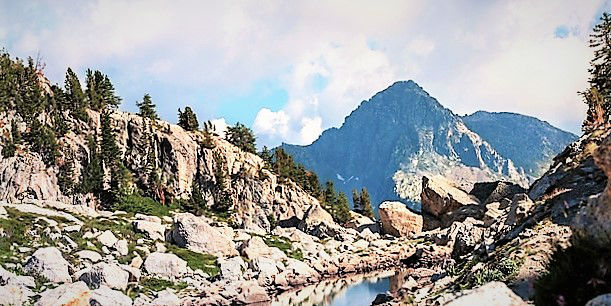
Le parc du Mercantour et ses merveilles
Le pourquoi du comment j'ai développé la passion voyage
L'une des principales raisons pour lesquelles j'ai développé la passion voyage réside dans la beauté et l'originalité des destinations découvertes pendant mes nombreux voyages à travers le monde. Le fait d'aller à la rencontre d'autres cultures est tout simplement hallucinant. Un blog est l'outil privilégié pour vous transmettre cette passion voyage. Cela est possible à travers mes coups de cœur de voyage que je vous fais découvrir de manière régulière.
Au fil des destinations paradisiaques que je découvre à travers le monde, j'ai développé une véritable passion pour le voyage. De l'Asie à l'Europe en passant par l'Amérique et l'Afrique, les possibilités d'activités ainsi que les sites à contempler sont multiples. Il vous appartient de faire vos choix en fonction de vos envies et de votre budget.